
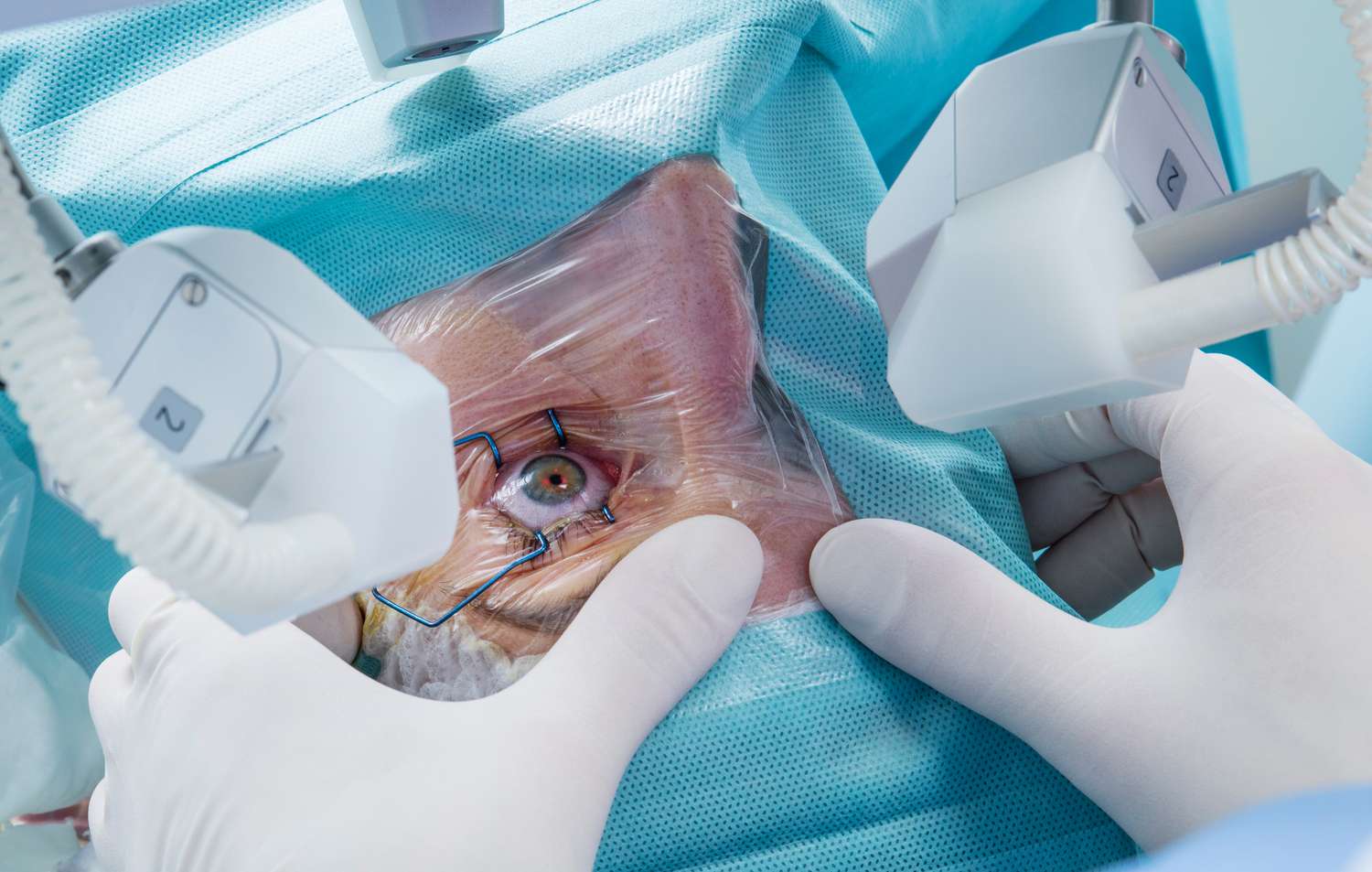
Beyond LASIK: Why SMILE and SILK are Becoming the New Gold Standard for Active Lifestyles
The landscape of laser vision correction has shifted. For decades, LASIK was the undisputed king of refractive surgery. However, for Australians leading high-intensity lives—from weekend warriors in the AFL to surfing enthusiasts on the Gold Coast—a new era of “flapless” surgery has arrived. Beyond LASIK: Why SMILE and SILK are becoming the new gold standard for active lifestyles is a conversation centered on structural integrity, rapid recovery, and ocular surface health.
If you have been told you aren’t a candidate for traditional laser surgery, or if you are concerned about the long-term stability of a corneal flap, understanding the evolution of SMILE and SILK is essential. These technologies represent the third and fourth generations of laser eye surgery, moving away from large incisions toward minimally invasive lenticule extraction.
See more: Top 7 Tips for Quick Recovery After Lasik Eye Surgery
The Evolution of Laser Vision Correction: From Surface to Sub-Surface
To understand why SMILE and SILK are gaining dominance, we must look at the technical hierarchy of vision correction.
1st Generation: PRK (Photo-Refractive Keratectomy)
PRK involves removing the entire surface layer (epithelium) of the cornea. While effective, it involves a painful multi-day recovery and a higher risk of temporary haze.
2nd Generation: LASIK (Laser-Assisted In Situ Keratomileusis)
LASIK creates a 20mm circular “flap” in the cornea. The laser reshapes the tissue underneath, and the flap is replaced. While fast, the flap never truly “heals” to 100% of its original tensile strength, posing a niche risk for those in contact sports.
3rd & 4th Generation: SMILE and SILK
These procedures are “flapless.” Instead of cutting a wide circle, a femtosecond laser creates a tiny, 3D disc of tissue (a lenticule) inside the cornea, which is removed through a microscopic incision (usually <4mm).
What is SMILE and SILK? Defining the New Standard
When discussing Beyond LASIK: Why SMILE and SILK are becoming the new gold standard for active lifestyles, we are looking at two proprietary technologies that share a similar philosophy but differ in execution.
SMILE (Small Incision Lenticule Extraction)
Developed by ZEISS, SMILE has been performed millions of times worldwide. It uses a femtosecond laser to carve a lenticule that corrects myopia (short-sightedness) and astigmatism. Because the corneal surface remains mostly intact, the eye’s biomechanical strength is better preserved.
SILK (Smooth Incision Lenticule Keratomileusis)
SILK is the latest advancement, often associated with Johnson & Johnson’s ELITA platform. It utilizes biconvex lenticule shapes and ultra-fast laser speeds. The goal of SILK is an even smoother corneal surface post-extraction, which theoretically leads to faster visual recovery—sometimes within hours of the procedure.
Why Active Australians are Choosing Flapless Surgery
For the active demographic in Australia, the “Gold Standard” isn’t just about seeing 20/20; it’s about how the eye performs under pressure.
1. Superior Biomechanical Stability
In LASIK, the corneal flap is a structural weakness. A direct blow to the eye—common in rugby, boxing, or even a stray branch while mountain biking—can dislodge a LASIK flap years after surgery. SMILE and SILK leave the upper layers of the cornea untouched, maintaining the eye’s natural “architecture.”
2. Reduced Dry Eye Symptoms
Australia’s climate can be harsh on the ocular surface. LASIK involves cutting corneal nerves that trigger tear production, often leading to chronic dry eye. Because SMILE and SILK use a tiny incision, significantly fewer nerves are severed. This makes it the preferred choice for those who already struggle with dry eyes or live in windy, coastal environments.
3. Rapid Return to Activity
| Activity | LASIK Timeline | SMILE / SILK Timeline |
| Swimming | 2 weeks | 3–5 days |
| Contact Sports | 4 weeks+ | 1 week |
| Gym/Running | 2–3 days | Next day |
| Ocean Surfing | 2–3 weeks | 1 week |
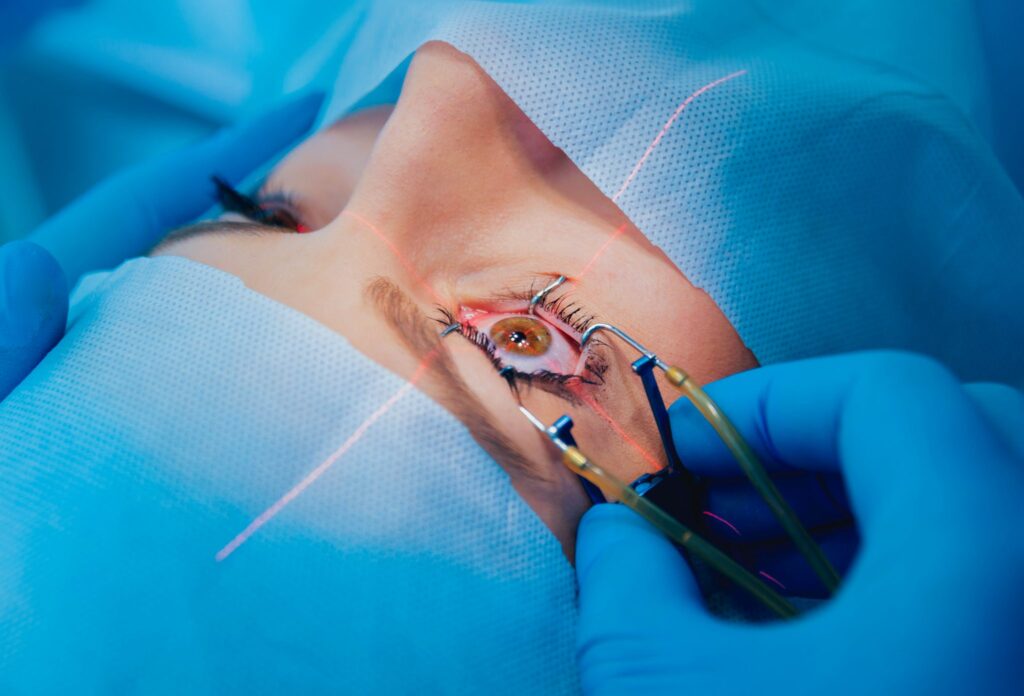
The Step-by-Step Process of Lenticule Extraction
Understanding the surgery helps demystify the “new gold standard.” Here is the typical clinical flow for a SILK or SMILE procedure:
- Anaesthesia: Numbing drops are applied; no general anaesthesia is required.
- Lenticule Creation: The femtosecond laser operates for approximately 15–25 seconds, creating the precise tissue disc inside the cornea.
- Incision: A microscopic keyhole incision is made (often less than 3mm).
- Extraction: The surgeon gently removes the lenticule through the keyhole.
- Closing: The incision heals naturally without stitches within 24 hours.
Real-World Use Cases: Who Benefits Most?
The Professional Athlete
A professional surfer cannot afford the risk of a “flap complication” when wiped out by a heavy wave. The flapless nature of SMILE ensures the eye remains structurally sound under the immense pressure of water.
The Military or First Responder
For police officers or ADF personnel, vision must be reliable in dusty, high-stress environments. The reduced risk of dry eye and the lack of flap-related trauma makes SILK the logical choice for those in the field.
The “Dry Eye” Office Worker
Even if you aren’t an elite athlete, the Australian office environment—blasting air conditioning and 8+ hours of screen time—is a recipe for dry eye. Choosing a procedure that preserves corneal nerves is a long-term investment in comfort.
Common Mistakes to Avoid When Seeking Vision Correction
- Shopping on Price Alone: Lower-cost clinics often only offer older LASIK technology. The “Gold Standard” requires advanced femtosecond platforms.
- Ignoring the “Activity Gap”: Many patients don’t tell their surgeon about their hobbies. If you play contact sports, you must mention this, as it often disqualifies you from LASIK in favour of SMILE/SILK.
- Waiting Too Long: While technology improves, your corneal thickness and health are finite. Getting an assessment in your 20s or 30s allows you to enjoy decades of “active” benefits.
Frequently Asked Questions (FAQ)
Is SMILE better than LASIK?
“Better” depends on your lifestyle. SMILE is generally superior for patients with active lifestyles or dry eye concerns because it is flapless and minimally invasive.
Does the SILK procedure hurt?
No. Numbing drops ensure you feel only slight pressure for about 20 seconds. Most patients report a “gritty” sensation for a few hours post-op, which subsides by the next morning.
Can SMILE treat long-sightedness (Hyperopia)?
Currently, SMILE and SILK are primarily used for myopia (short-sightedness) and astigmatism. Treatments for hyperopia are in various stages of clinical rollout and regulatory approval.
How fast is the recovery?
Most SILK patients can drive and return to work within 24 hours. Full visual “crispness” typically stabilizes within 7 to 14 days.
Is the surgery permanent?
Yes. The laser permanently reshapes the cornea. However, it does not prevent age-related vision changes (presbyopia) that occur in your 40s and 50s.
Conclusion: Embracing the Future of Australian Eye Health
The transition Beyond LASIK: Why SMILE and SILK are becoming the new gold standard for active lifestyles represents more than just a marketing shift; it is a clinical evolution toward safety and durability. By eliminating the corneal flap, surgeons are providing Australians with a vision correction solution that matches the intensity of their daily lives.
Whether you are diving the Great Barrier Reef or navigating a high-pressure boardroom, the precision of SILK and the proven track record of SMILE offer a level of freedom that traditional methods simply cannot match.
Internal Linking Suggestions:
- Anchor Text: “benefits of flapless laser eye surgery”
- Anchor Text: “laser eye surgery cost Australia”
- Anchor Text: “recovery time for SMILE vs LASIK”
Authoritative External References:
- Refer to the Royal Australian and New Zealand College of Ophthalmologists (RANZCO) for patient safety standards.
- Consult the Journal of Refractive Surgery for peer-reviewed data on SILK vs. SMILE outcomes.