
Introduction
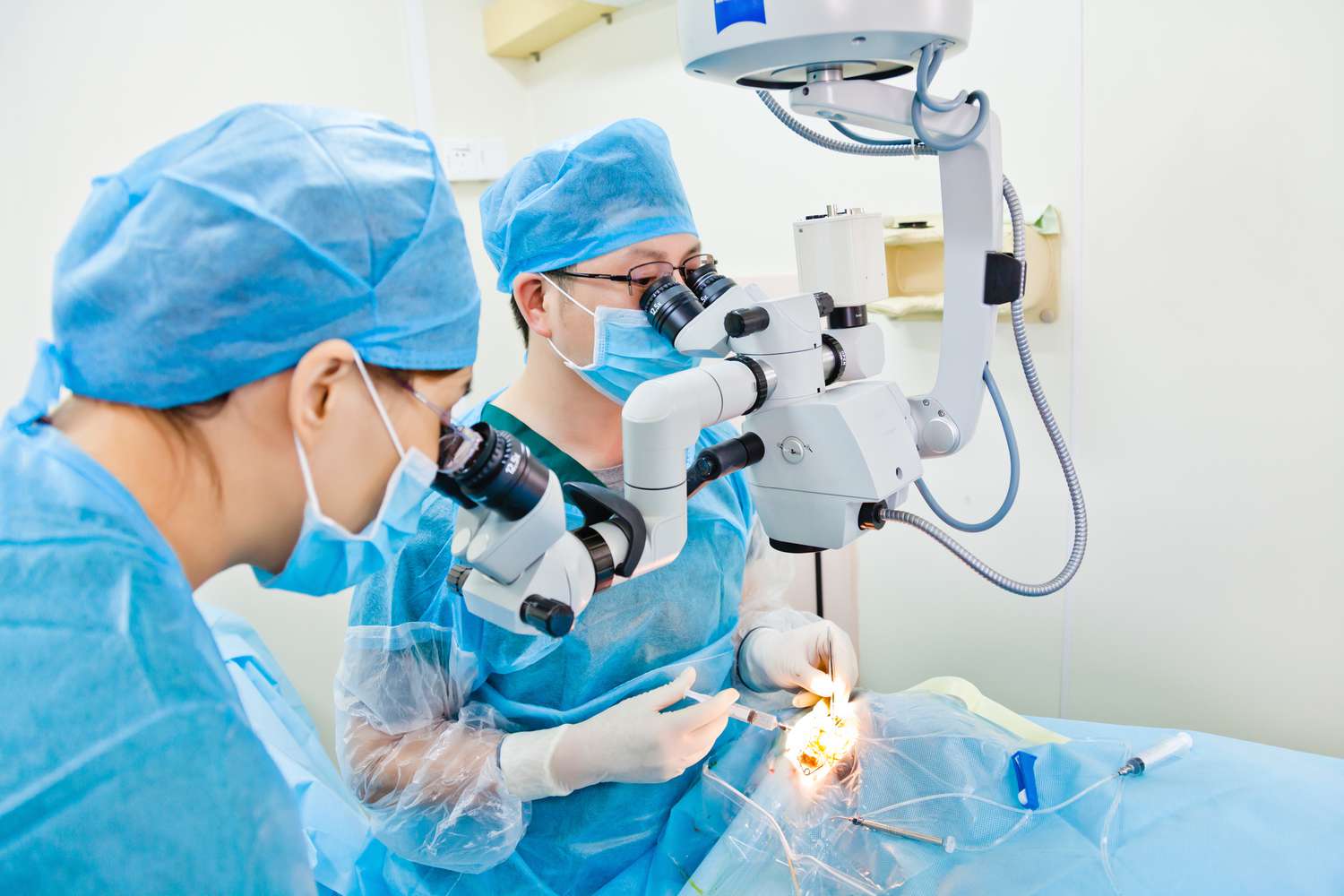
In 2026, LASIK surgery is no longer just about achieving 20/20 vision—it’s about enhancing overall visual performance with unprecedented precision. Thanks to technological innovations, patients now experience faster recovery, more accurate results, and reduced side effects. This article explores the latest advancements, compares them to traditional LASIK, and explains how these changes are reshaping eye care today.
The Latest Advancements in LASIK Technology
Femtosecond Laser Precision
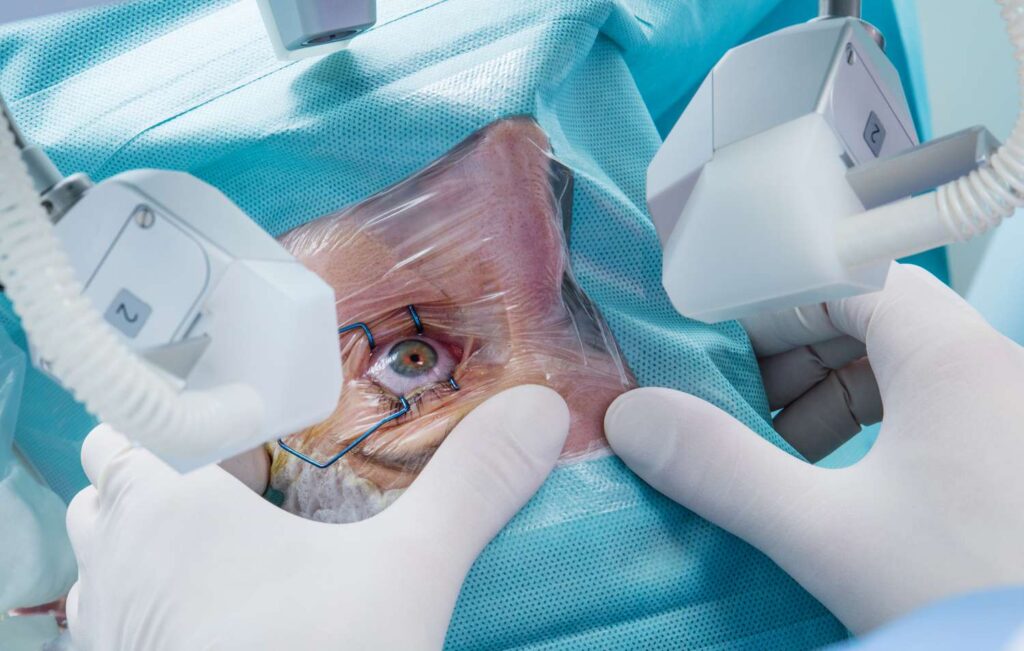
The introduction of next-generation femtosecond lasers allows surgeons to create corneal flaps with microscopic accuracy. This reduces the risk of complications and improves visual outcomes, even for patients with thin corneas or irregular eye shapes.
Wavefront-Guided LASIK
Wavefront-guided LASIK maps each patient’s unique eye structure, enabling customised corrections. This technology helps minimise side effects such as halos and glare while maximising clarity for night and day vision.
SMILE and Minimally Invasive Techniques
Small Incision Lenticule Extraction (SMILE) is gaining popularity as a minimally invasive alternative to traditional LASIK. By preserving more corneal tissue, SMILE reduces the risk of dryness and accelerates recovery times.
How These Innovations Improve Vision Outcomes
- Sharper Visual Acuity: Patients often report not only 20/20 vision but enhanced contrast sensitivity.
- Reduced Side Effects: Modern techniques significantly lower the incidence of dry eyes, glare, and night vision issues.
- Faster Recovery: Most patients resume normal activities within 24–48 hours, compared to several days with older LASIK methods.
Comparing 2026 LASIK with Older Technologies
| Feature | Traditional LASIK | LASIK 2026 |
|---|---|---|
| Flap Creation | Mechanical microkeratome | Femtosecond laser |
| Customisation | Limited | Wavefront-guided, SMILE |
| Recovery | 3–5 days | 24–48 hours |
| Side Effects | Moderate risk of glare, dry eyes | Significantly reduced risk |
These improvements demonstrate a clear leap in safety, comfort, and visual outcomes.
Benefits and Risks
Benefits
- Long-term freedom from glasses or contacts
- Minimal downtime
- Highly precise, personalised vision correction
Risks
While modern LASIK is safer than ever, potential risks include temporary dry eyes, mild discomfort, or over/under-correction. Discussing these with your surgeon ensures informed decision-making.
Recovery Process
- Day 1: Mild irritation, blurred vision; protective eye shields recommended.
- Day 2–3: Vision begins stabilising; most normal activities can resume.
- Week 1–2: Follow-up check-ups; eye drops to prevent dryness.
- Month 1: Full visual clarity expected; minor fluctuations may persist.
Patient experiences consistently report rapid recovery and high satisfaction with the 2026 procedures.
Conclusion
LASIK surgery in 2026 goes far beyond simply achieving 20/20 vision. Advanced lasers, personalised mapping, and minimally invasive techniques make it safer, faster, and more precise than ever. For those seeking a life free from corrective lenses, modern LASIK offers a transformative opportunity to experience sharper, more comfortable vision.
FAQs
1. How is LASIK in 2026 different from older methods?
Modern LASIK uses femtosecond lasers, wavefront mapping, and minimally invasive SMILE techniques. These improvements reduce side effects, enhance precision, and shorten recovery times, offering patients sharper vision and safer outcomes compared to traditional LASIK.
2. What is the recovery time after modern LASIK surgery?
Recovery is typically very fast. Most patients resume normal activities within 24–48 hours. Full visual clarity usually occurs within one month, with minor fluctuations during the initial weeks. Eye drops are recommended to prevent dryness.
3. Are there risks associated with new LASIK technologies?
While modern LASIK is safer than ever, potential risks include temporary dry eyes, mild discomfort, or slight over/under-correction. Choosing an experienced surgeon and following post-operative care instructions significantly minimise these risks.
4. Can everyone get 2026 LASIK surgery?
Most adults with stable vision are suitable candidates. However, those with certain corneal conditions, severe dry eyes, or specific medical issues may need alternative procedures. A thorough consultation ensures personalised recommendations.
5. How long do the results of LASIK last?
LASIK offers long-lasting vision correction. While the effects are generally permanent, natural age-related changes like presbyopia may occur. Regular eye check-ups help maintain optimal visual health over time.